Hurricane-Ready Interior Design for Miami Homes: What to Plan Inside
Hurricane-ready interior design focuses on protecting the inside of your home from wind, water, and humidity without sacrificing style. This approach combines resilient materials, strategic layout, and smart preparation to keep your living space safe and functional during storm season.
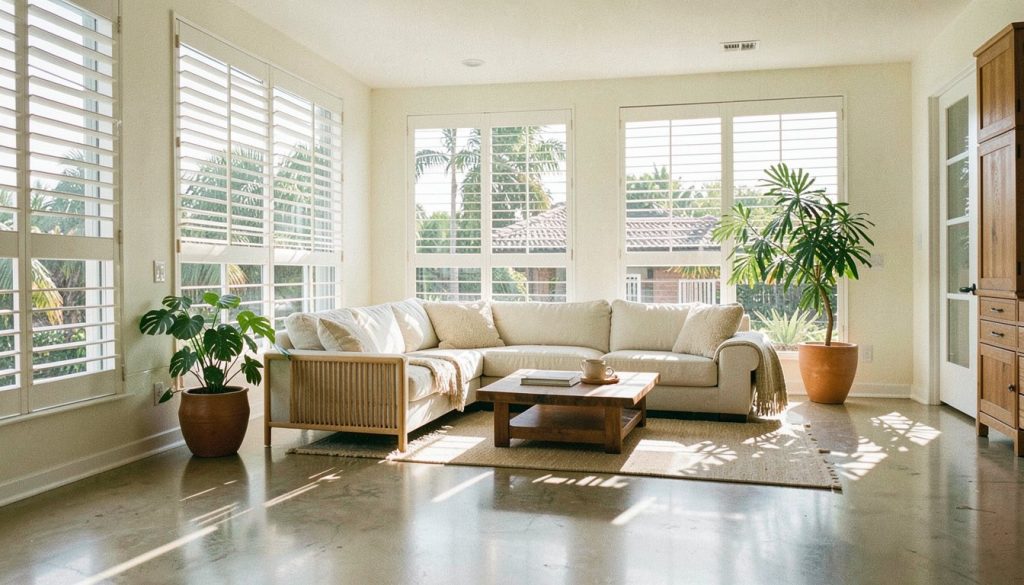
Hurricane-ready interior design in Miami involves selecting materials and layouts that withstand wind, water, and power loss without requiring a complete teardown of the home each season. This approach integrates protection systems like impact windows and engineered anchoring from the initial design phase. The goal is to create a resilient living space where structural strength, moisture control, and energy independence work together to reduce damage and increase occupant safety during the June through November storm season.
What matters most is protecting high-value items and daily comfort from the elements. Flooring choices also play a critical role; luxury vinyl plank and sealed natural stone are more moisture-resistant than hardwood or carpet while maintaining a warm aesthetic. It is easy to overlook that standard homeowners insurance often caps coverage on valuable articles well below replacement cost. Homeowners should photograph each room for insurance records before the start of storm season rather than during an active event. Additionally, designing a safe room with the same color palette and soft lighting as the rest of the home prevents it from feeling like an afterthought while maximizing structural protection.
Why Interior Resilience Matters in the 2026 Season
The 2026 Atlantic hurricane season runs from June through November, with peak activity occurring between August and October. For homeowners in Miami and South Florida, this timeline dictates the rhythm of preparation. Warmer ocean waters and higher sea levels contribute to stronger winds, higher storm surges, and more inland flooding. These environmental shifts mean that storms are not only more frequent but also more intense, placing greater stress on both the exterior envelope and the interior spaces of a home.
Slow-moving storms present a distinct challenge by increasing the risk of flash flooding due to prolonged heavy rain. When water lingers, interior moisture control becomes a primary concern. Humidity spikes can cause particleboard to swell and disintegrate, while standard fabrics may encourage mildew growth. Proactive design choices address these issues before they become structural problems.
The Financial Case for Protection
Insurance companies may raise premiums, increase deductibles, or withdraw from coastal markets in response to increased hurricane risks. This trend makes proactive interior protection a financial strategy, not just a safety measure. Exceeding local building codes with higher-rated materials and stronger construction can lower insurance costs and improve safety.
Resilient design includes structural strength for wind, moisture control to block water intrusion, and energy independence for outages. A hurricane-ready interior design in South Florida integrates these elements to reduce damage and increase occupant safety. The goal is to create a living environment that remains functional and aesthetically pleasing even during the most severe weather events. This approach ensures that the home remains a safe haven rather than a source of stress during the peak months of the season.
- Monitor weather patterns closely during the peak activity window from August to October.
- Review insurance policies annually to understand changes in premiums and deductibles.
- Prioritize moisture-resistant materials in areas prone to water exposure.
- Plan for power outages by ensuring essential systems can operate independently.
Understanding the specific risks of the 2026 season allows for targeted improvements. Whether addressing the threat of flash flooding or the financial impact of rising insurance costs, the focus remains on creating a durable and livable space. This foundation sets the stage for selecting specific materials and layouts that withstand the unique pressures of the coastal climate.
Choosing Materials That Resist Coastal Humidity
Miami’s humid subtropical climate creates constant moisture challenges that standard interior materials often cannot handle. Selecting the right surfaces and textiles is a core component of hurricane-ready interior design. The goal is to choose items that maintain their structural integrity and appearance during humidity spikes, rather than degrading or harboring mold. A designer evaluates each room’s exposure to ambient moisture and selects materials that repel water rather than absorbing it. This approach protects the home’s value and ensures that interiors remain functional and clean throughout the storm season.
Furniture and Textile Selection
Solid wood furniture with quality finishes resists warping better than particleboard, which tends to swell and disintegrate during humidity spikes. When selecting seating or cabinetry, inspect the core material. Particleboard is a common cost-saving measure in mass-produced items, but it fails quickly in South Florida conditions. Solid wood offers a durable alternative that withstands the daily fluctuations in indoor humidity. For upholstery, performance fabrics made from solution-dyed fibers resist moisture and mildew growth more effectively than older fabric treatments. These modern materials are engineered to repel liquids and inhibit biological growth, making them a practical choice for living rooms and bedrooms where spills and ambient dampness are frequent.
Rug selection also requires attention to the backing material. Natural fiber rugs with moisture-resistant backings perform better than synthetic options that trap dampness underneath. Synthetic rugs can create a sealed layer that prevents air circulation, leading to persistent dampness and potential odor issues. Natural fibers, when paired with the correct backing, allow for better airflow and easier maintenance. This distinction matters in a climate where humidity levels remain high year-round. Choosing the right rug base helps keep the floor beneath dry and clean.
| Material Type | Humidity Performance |
|---|---|
| Solid wood with quality finishes | Resists warping better than particleboard |
| Particleboard | Tends to swell and disintegrate during humidity spikes |
| Solution-dyed performance fabrics | Resist moisture and mildew growth more effectively |
| Natural fiber rugs with moisture-resistant backing | Perform better than synthetic options that trap dampness |
Flooring choices further impact the home’s resilience. Hardwood can cup and warp when exposed to sustained moisture, while carpet retains water and promotes mold growth. Vinyl and stone offer a forgiving surface that can be cleaned and dried quickly. This makes them suitable for high-traffic areas and rooms near windows where condensation may occur. By prioritizing these materials, a homeowner creates an interior that withstands the environmental pressures of coastal living without sacrificing style or comfort. The focus remains on long-term durability and ease of maintenance in a demanding climate.
Protecting Windows and Light Without Compromising Aesthetics
Many homeowners hesitate to upgrade their windows because they fear the result will look industrial or bulky. This concern is largely unfounded. Modern impact glass is visually indistinguishable from standard glass while allowing natural light to enter the home. Once installed, these panels maintain the clean lines of the interior design without adding visible frames or heavy hardware. The goal of hurricane-ready interior design is to preserve the visual flow of the space while ensuring structural integrity. By selecting high-performance glazing that mimics standard aesthetics, a designer can protect the home without altering the existing architectural character.
The technology behind these windows has improved significantly over the past decade. Current-generation impact window interlayers withstand sustained pressure cycling better than older laminates during multi-hour storms. This advancement means that the glass holds together under repeated stress, which is common during long-duration weather events. For residents in Miami and South Florida, where storm seasons can be prolonged, this durability is a key factor in long-term performance. The interlayer acts as a safety net, preventing shards from scattering into the living space and reducing the risk of injury during the event. This technical improvement allows for thinner profiles that fit neatly into standard window frames, further supporting a seamless look.
Shutter Systems as Architectural Features
For those who prefer a more traditional aesthetic, shutters offer a robust alternative. Bahama and colonial shutters function as daily sun and rain control while serving as storm protection, reading as intentional architectural features. These systems integrate into the home’s facade, providing shade during the bright summer months and blocking wind-driven rain during storms. Because they are part of the exterior design, they do not feel like an afterthought. Instead, they enhance the visual rhythm of the building. Plantation shutters provide both aesthetic appeal and additional protection, allowing drapery to remain purely decorative. This approach keeps the interior light and airy while ensuring that the windows are secured when needed.
In contrast, modern homes often benefit from roll-down shutters. Roll-down shutters retract into nearly invisible housings, making them suitable for modern architecture where visible hardware is undesirable. These systems disappear into the roofline or eaves, leaving the exterior clean and uncluttered. When deployed, they create a solid barrier that protects the glass from debris. The housing is designed to be minimal, so the overall look of the home remains sleek. For condo owners, this type of system is often preferred because it aligns with the strict architectural guidelines of many associations. It offers a high level of protection without the visual clutter of external tracks or brackets. By choosing a system that matches the architectural style, homeowners can ensure that their safety measures do not detract from the beauty of their property.
Evaluating Shutter Options for South Florida Homes
Choosing the right window protection is a central decision in hurricane-ready interior design. For many homeowners in Miami-Dade, accordion shutters represent the standard solution. These systems are approved for the region and allow a single person to close them in minutes. This speed is a significant advantage when a storm warning issues with little lead time. While impact windows offer a seamless look, they often carry a higher price tag. Accordion shutters typically cost less, making them a practical choice for larger homes or multi-unit buildings where budget constraints exist. The trade-off is the presence of visible aluminum tracks that remain on the facade year-round.
The visual impact of these tracks can be managed through careful design integration. Custom powder-coating is a common technique to address this issue. By matching the shutter color to the home’s existing trim, the hardware blends into the architectural lines rather than standing out as industrial equipment. This cohesive approach is not merely aesthetic. Homes with visually integrated protection systems often attract more buyer interest and maintain better resale value than those with mismatched or bulky hardware. A designer can coordinate this finish early in the planning phase to ensure the shutters complement the overall exterior palette.
Alternative Protection Styles
For owners seeking a more traditional aesthetic, plantation shutters offer a distinct alternative. These units provide a classic look while delivering robust protection against wind and debris. They allow for the use of decorative drapery behind the shutter panels, adding a layer of interior design flexibility. This option suits homes where the architectural style favors traditional details and where the budget allows for a more complex installation. The choice between accordion and plantation systems depends on the specific architectural context and the desired balance between cost, speed of deployment, and visual harmony.
| Feature | Accordion Shutters | Plantation Shutters |
|---|---|---|
| Approval Status | Miami-Dade approved | Check local codes |
| Deployment Speed | Closed by one person in minutes | Varies by mechanism |
| Cost Comparison | Typically less expensive than impact windows | Varies by material |
| Visual Profile | Visible aluminum tracks | Classic look with drapery option |
When evaluating these options, consider the long-term maintenance of the tracks and panels. Salt air and humidity accelerate corrosion, so the quality of the powder coating and the hardware matters. A well-maintained system protects the interior investment and ensures the home remains a safe haven during the most intense weather events. Consulting with a local specialist ensures the selected system meets current building standards and fits the specific dimensions of the windows.
Designing a Safe Room That Feels Like Home
Creating a designated shelter within the residence requires balancing strict structural engineering with residential comfort. The most effective location is an interior space completely enclosed by other rooms, lacking any exterior walls. Common choices include a master bathroom, a large walk-in closet, or a central hallway. This configuration maximizes structural protection by placing the shelter deep within the building’s core, away from direct wind impact and potential debris strikes on the outer envelope.
The structural integrity of this space depends heavily on the foundation and framing connections. Reinforced concrete foundations provide the necessary strength and stability to resist the complex vertical and lateral forces generated by high winds and storm surge. To ensure the entire structure moves as a single unit, the roof structure must be securely tied to the walls, and the walls must be firmly anchored to the foundation. This continuous load path prevents the building from separating under extreme stress. For new construction or major renovations, Insulated Concrete Forms offer a robust solution. These systems create solid concrete walls reinforced with steel, delivering excellent thermal insulation alongside high wind resistance. This dual benefit helps maintain a stable interior temperature while withstanding severe weather events.
Blending Safety with Aesthetic Continuity
A safe room that looks like a bunker will likely be avoided during a storm. To encourage occupants to use the space, the design should mirror the rest of the home. Selecting the same color palette for walls and fixtures ensures visual harmony. Incorporating soft, warm lighting eliminates the harsh, clinical feel often associated with emergency shelters. This approach prevents the room from feeling like an afterthought added for code compliance. Instead, it becomes a welcoming refuge where families can wait out the storm with reduced anxiety.
Consider the following elements to enhance the room’s livability:
- Install durable, water-resistant flooring that matches the adjacent rooms to maintain visual flow.
- Use acoustic panels or soft furnishings to dampen the sound of wind and rain outside.
- Ensure the door is heavy-duty and self-closing, but styled to blend with the interior cabinetry.
- Provide adequate ventilation or air filtration to maintain air quality during extended occupancy.
While the primary function is survival, the secondary function is psychological comfort. A well-designed safe room respects the homeowner’s daily aesthetic preferences. It integrates seamlessly into the floor plan, ensuring that safety does not come at the cost of style. This balance is particularly important in humid subtropical climates where interior spaces are used year-round. By treating the safe room as a permanent part of the living environment, homeowners are more likely to maintain it and utilize it effectively when conditions become dangerous.
Furniture and Flooring Choices for Storm Survival
Interior resilience in Miami extends well beyond structural walls. The objects and surfaces inside a home must withstand the physical demands of storm preparation and the environmental threats of coastal living. Selecting the right furniture and flooring is a practical step that reduces damage and simplifies the process of securing a property before a hurricane makes landfall. A designer approaches these choices by prioritizing mobility, durability, and resistance to moisture.
Furniture That Moves With Ease
During the final days before a storm, homeowners often need to clear pathways and move items away from windows. Furniture with a lower profile and simpler lines serves this purpose effectively. Pieces that are bulky or ornate become difficult to shift quickly, increasing the risk of injury or accidental damage. Opt for seating and tables that are compact and lightweight enough to be repositioned by a small team without heavy lifting equipment. This design philosophy ensures that the interior layout can be adapted rapidly as weather conditions deteriorate. Simple, clean lines also reduce the number of fragile components that could break during the relocation process. The goal is to create a living space that remains functional and safe even when every item must be moved.
Flooring choices face a different set of challenges. Wall-to-wall carpeting is generally avoided in coastal designs because flooding renders the material soggy and prone to mold. Once water penetrates the fibers, the smell and structural degradation become permanent. Instead, designers recommend water-resistant flooring such as tile and stone throughout coastal projects to handle potential water exposure. These materials dry quickly and resist the humidity that characterizes the South Florida climate. Tiling baseboards provides an additional layer of protection for drywall against water intrusion, creating a seamless barrier at the junction between the floor and the wall. This approach ensures that the foundation of the room remains intact even if water enters the space.
Protecting Kitchens and Bathrooms
Ground-floor kitchens and bathrooms require specific attention due to their proximity to potential flood zones. Using outdoor-grade cabinetry in these areas helps protect against flood damage. Standard wood cabinets swell and warp when exposed to moisture, but outdoor-grade materials are engineered to resist these effects. Elevating cabinets a few inches off the ground using metal or wooden legs prevents floodwater from ruining kitchen storage. This simple modification creates a gap that allows water to flow beneath the units rather than soaking into the wood. It is a cost-effective strategy that preserves the integrity of the kitchen during minor flooding events. Combine these cabinetry choices with durable flooring to create a cohesive system that protects the most essential rooms in the home. The result is an interior that withstands the rigors of hurricane season without requiring extensive repairs afterward.
Preparing Valuables and Art Before Storm Season
Documenting the interior of a Miami home is a practical step that protects financial interests before the first tropical depression forms. Homeowners should photograph each room for insurance records before the start of storm season rather than during an active event. These images create a clear baseline of condition and placement. If water damage or wind intrusion occurs, these records simplify the claims process by proving what was present and how it was arranged. This documentation supports the verification of losses without relying on memory or incomplete lists after the fact.
Insurance Coverage and Valuation
This gap in coverage can leave significant financial exposure for high-value items like artwork, antiques, or designer furniture. A separate policy provides scheduled coverage that matches the actual replacement value of these specific pieces. Reviewing these limits annually ensures that the documentation aligns with current market values. Keeping purchase records and professional appraisals alongside the photographic evidence creates a robust file that insurers can evaluate quickly. This preparation reduces friction during a claim and helps ensure that the payout reflects the true worth of the interior assets.
Physical relocation of these items is the next layer of protection. Furniture and art should be moved away from window lines and documented with purchase records and appraisals before hurricane season begins. Items placed near glass are at risk from both direct impact and flying debris. Moving them to interior rooms or against non-exterior walls reduces the chance of breakage. This step also allows for a final check of the room’s condition. If an item is difficult to move, consider its weight and structure. Lighter pieces are easier to relocate, while heavier items may require professional help or strategic placement in a safer zone. The goal is to keep high-value objects away from the perimeter where the structure is most vulnerable.
Window protection remains a critical component of this strategy. Storm film serves as a cost-effective alternative to window replacement by holding shattered glass together during impact. This transparent layer is invisible once installed, preserving the aesthetic of the interior while adding a safety barrier. It prevents glass from scattering into the room, which protects both the artwork and the occupants. For exterior lighting fixtures that hang on chains, installation methods matter significantly. Loose fixtures can become projectiles or fall, causing damage to the exterior or interior. Ensuring that mounting hardware is robust and that removal is straightforward prevents secondary damage during high winds.
Integrating these steps into a broader hurricane-ready interior design plan ensures that the home remains both beautiful and resilient. The combination of thorough documentation, adequate insurance, strategic relocation, and proper hardware installation creates a comprehensive defense. This approach respects the architectural integrity of the home while addressing the specific risks of the South Florida climate. A well-prepared interior is not just about surviving the storm but about preserving the value and beauty of the space for years to come. For those considering a full renovation or update to align with these safety standards, understanding the budget implications is key. See Interior Designer Cost Miami: How Fees Work and How to Plan Your Budget to understand how professional fees fit into a comprehensive protection strategy.
Where to Start Your Hurricane-Ready Interior Plan
Begin the planning process by evaluating the site before selecting interior finishes. Site selection for hurricane-resistant construction should consider topography, elevation, and proximity to the coast to avoid storm surge zones. Understanding the natural landscape helps determine how much structural reinforcement the interior layout will require. If the property sits in a low-lying area, the interior design must prioritize moisture control and flood mitigation from the very first sketch.
Next, address the exterior environment that directly impacts the interior. Clearing vegetation and leveling the ground removes potential debris that could become projectiles during a storm. Large branches and loose soil are common sources of damage that can breach windows and doors, leading to catastrophic interior flooding. By managing the perimeter, a homeowner reduces the load on the building envelope, allowing the interior systems to perform as intended without constant stress from external impacts.
Consider going above standard building codes with higher-rated materials. This proactive approach can lower insurance costs over time. Insurers often view homes with superior resilience features as lower risk. When selecting materials, look for options that offer enhanced durability without sacrificing aesthetic quality. For example, using outdoor-grade cabinetry in ground-floor kitchens and bathrooms helps protect against flood damage. This choice ensures that critical storage and utility areas remain functional even if water intrusion occurs. Additionally, exterior door handles and hardware in saltwater climates require specific product selection to ensure durability against corrosion, which protects the integrity of entry points.
Resilient design extends beyond simple strength. It includes structural strength, moisture control, and energy independence for outages. A home that can maintain power and air circulation during a storm provides a safer environment for occupants. Plan for backup power systems and efficient ventilation to manage humidity levels. This holistic approach ensures that the interior remains habitable and safe, regardless of the severity of the weather event.
Immediate Action Steps
- Map the property elevation relative to the nearest water body to identify surge risks.
- Remove large trees and overhanging branches near the structure to minimize projectile hazards.
- Consult with an insurance provider to understand how higher-rated materials affect premiums.
- Identify interior spaces that can serve as safe rooms, such as a bathroom or closet, to maximize structural protection.
- Design the safe room with the same color palette and soft lighting as the rest of the home to prevent it from feeling like an afterthought.
Frequently asked questions
What is the best flooring for a hurricane-ready Miami home?
Luxury vinyl plank and sealed natural stone flooring offer the best balance for hurricane-ready Miami interiors. These materials provide superior moisture resistance compared to hardwood or carpet, which can swell or trap dampness during humidity spikes and flooding. Designers frequently recommend water-resistant options like tile and stone throughout coastal projects to handle potential water exposure effectively. Avoid wall-to-wall carpeting, as it becomes soggy and prone to mold when exposed to standing water. Selecting these durable surfaces ensures the floor withstands wind, water, and power loss without requiring a complete teardown after each storm season.
How do accordion shutters compare to impact windows in cost and appearance?
Accordion shutters are typically less expensive than impact windows and offer a practical, cost-effective solution for storm protection. While impact glass remains visually indistinguishable from standard glass, accordion shutters feature visible aluminum tracks that can appear industrial. Custom powder-coating these tracks to match the home's trim helps mitigate this visual impact. Both systems meet Miami-Dade approval standards, but the choice often depends on balancing budget constraints with the desire for a seamless architectural look that preserves the home's aesthetic integrity during both daily use and storm preparation.
Where should a safe room be located in a Miami home?
Place the safe room in an interior space that lacks exterior walls, such as a bathroom or closet, to maximize structural protection. This location shields occupants from direct wind impact and flying debris more effectively than rooms on the home's perimeter. To ensure the space feels integrated rather than like a utilitarian afterthought, design it with the same color palette and soft lighting as the rest of the home. This approach maintains visual cohesion while providing a secure, comfortable refuge during severe weather events.
What materials should be avoided for furniture in coastal humidity?
Avoid particleboard, which tends to swell and disintegrate during humidity spikes, opting instead for solid wood with quality finishes that resist warping. Skip synthetic rugs that trap dampness underneath; choose natural fiber rugs with moisture-resistant backings instead. For upholstery, select performance fabrics made from solution-dyed fibers, which resist moisture and mildew growth more effectively than older fabric treatments. These material choices help furniture withstand coastal humidity without requiring replacement after every storm season.
When should homeowners photograph their interiors for insurance purposes?
Photograph each room before the start of storm season, rather than during an active event. This timing ensures clear, undamaged images that accurately document the condition of interiors for insurance records. Since the Atlantic hurricane season runs from June through November, capturing these visuals early in the year provides a reliable baseline. Include wide shots and close-ups of high-value items, and pair the photos with purchase records and appraisals. This preparation helps streamline claims if damage occurs, ensuring the insurer has comprehensive evidence of the home's pre-storm state without the complications of active weather interference.
Sources consulted : gogreenfineinteriors.com, krissyreydesign.com, designscene.net, rachelblindauer.com, chaseday.com, businessofhome.com.
Dana Ben Moha, interior architecture, St Martin
Planning a project in Miami?
Dana Ben Moha offers remote interior design for Miami homeowners: floor plans, 3D views and a specification package your contractor can follow.